Culture and Geography
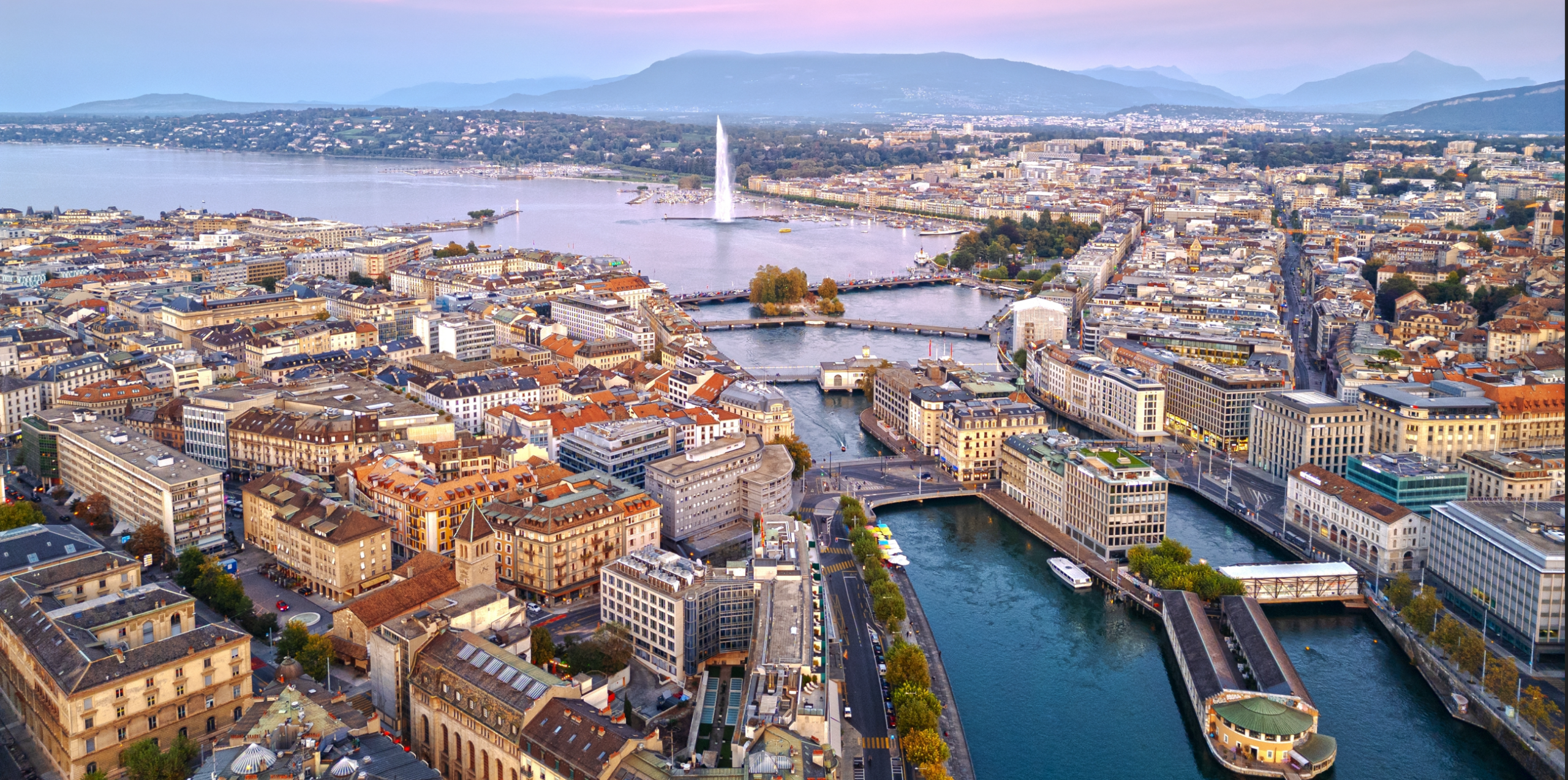
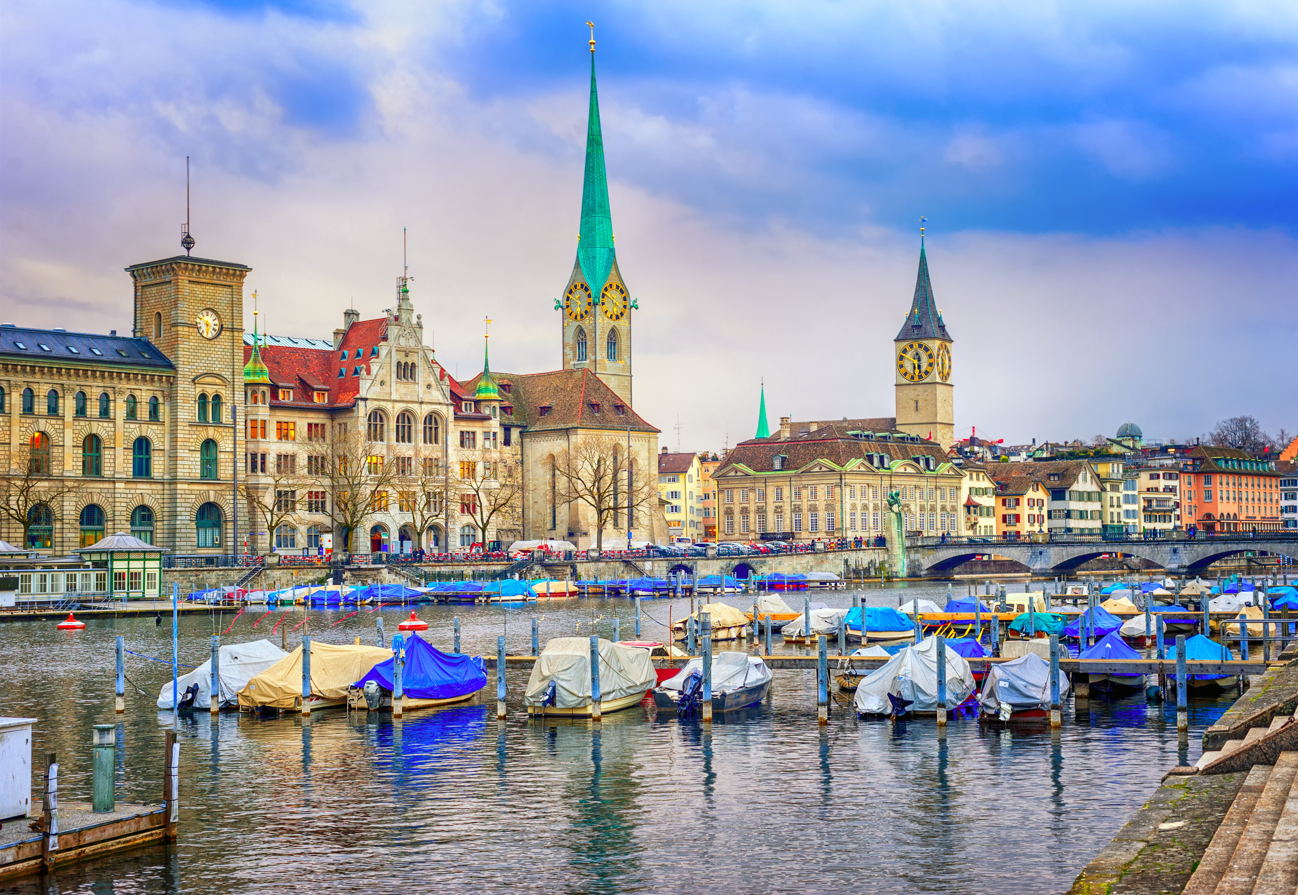
Switzerland is a strategically located landlocked country in Central Europe, renowned for its long-standing neutrality and robust, resilient economy. The nation is divided into 26 cantons, each with its own constitution, legislature, government, and courts, reflecting a federal structure that balances national cohesion with regional autonomy. The capital city is Bern, while Zurich stands as the largest and most economically vibrant city. Switzerland operates in the Central European Time zone (CET, GMT+1), facilitating seamless business interactions across Europe, Africa, and the United States within the same business day.
Switzerland’s cultural diversity is one of its defining features, with four official languages: German, French, Italian, and Romansh. This multilingualism reflects the country’s rich cultural heritage and contributes to its dynamic, stable society. Switzerland’s historical commitment to neutrality has made it a preferred location for international organizations, including the United Nations and the World Health Organization, cementing its status as a pivotal global diplomatic hub.
Legal Landscape
Switzerland operates under a civil law system, heavily influenced by the Napoleonic Code, akin to many other European nations. Swiss law is held in high regard on the international stage, known for its consistency, clarity, and predictability. This legal stability is a cornerstone of Switzerland’s appeal to international businesses, which often choose the country as a venue for both private and commercial arbitration. The Swiss legal framework is particularly accommodating to international arbitration, with well-established procedures that make it a preferred jurisdiction for resolving cross-border commercial disputes.
While Switzerland does not have a supreme court akin to the UK’s Privy Council, it boasts the Federal Supreme Court, which serves as the highest judicial authority in the country. This court provides final rulings on matters of federal law, ensuring that legal interpretations are consistent and aligned with the principles of justice that underpin the Swiss legal system.
SWITZERLAND AT A GLANCE
11% to 20% Corporate Tax
Personal Income Tax Progressive, with rates varying by canton and supplemented by federal taxes.
Double Taxation Agreements (DTAs)
Switzerland has negotiated over 100 double taxation agreements, making it an advantageous jurisdiction for international business operations. These agreements help to eliminate the risk of double taxation, thereby enhancing Switzerland’s appeal as a base for global businesses.
Banking in Switzerland
Switzerland’s banking sector is globally recognized for its strength, reliability, and discretion. The country’s banks offer a comprehensive range of financial services, including private banking, wealth management, investment banking, and asset management, catering to both individual and corporate clients.
Although Switzerland has historically been known for its stringent banking secrecy, international pressure in recent years has led to reforms that have softened these regulations. Despite these changes, Swiss banks continue to uphold a high standard of client confidentiality, balanced with compliance to international standards.
Learn More About Geneva’s Financial Advantages
Geneva’s combination of regulatory rigor, attractive tax structure, and stable financial environment makes it an ideal jurisdiction for high-net-worth individuals, families, and businesses. For a more in-depth look at the benefits of Geneva as a financial center, explore our article: Focus on TrustQore Jurisdictions – Geneva.
For more information or personalized advice on establishing a trust or company in Switzerland, please reach out to Sebastien Flak at [email protected]